

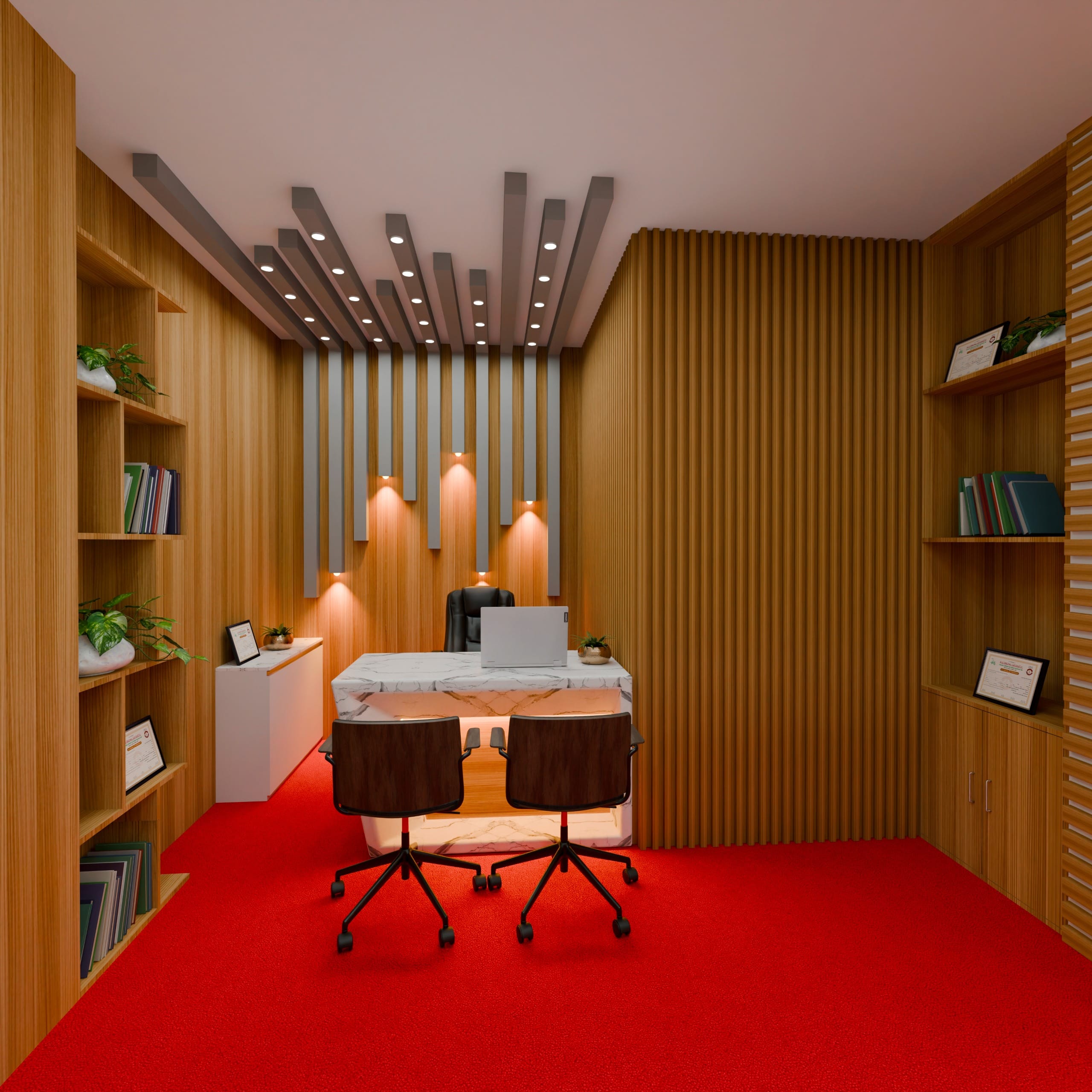
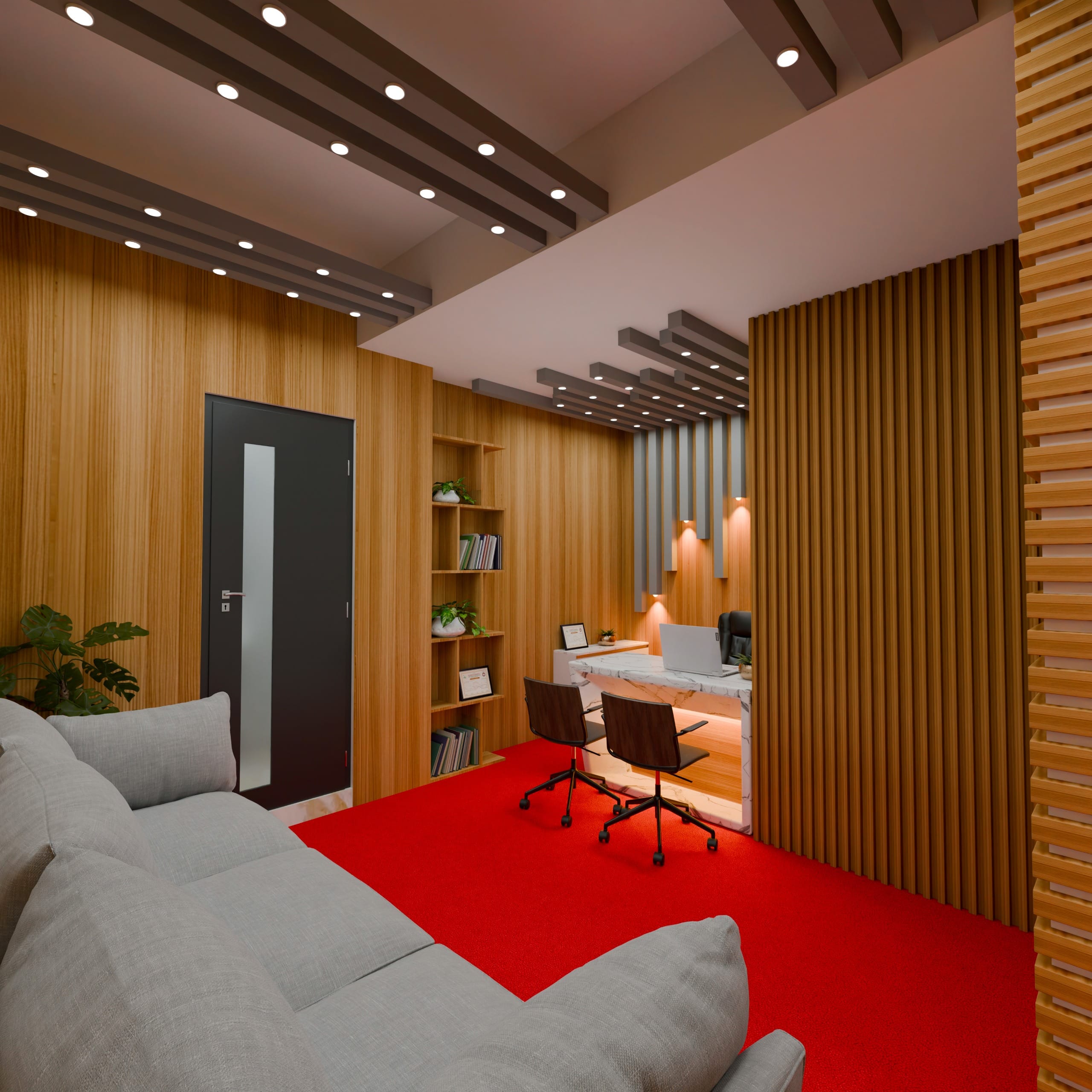
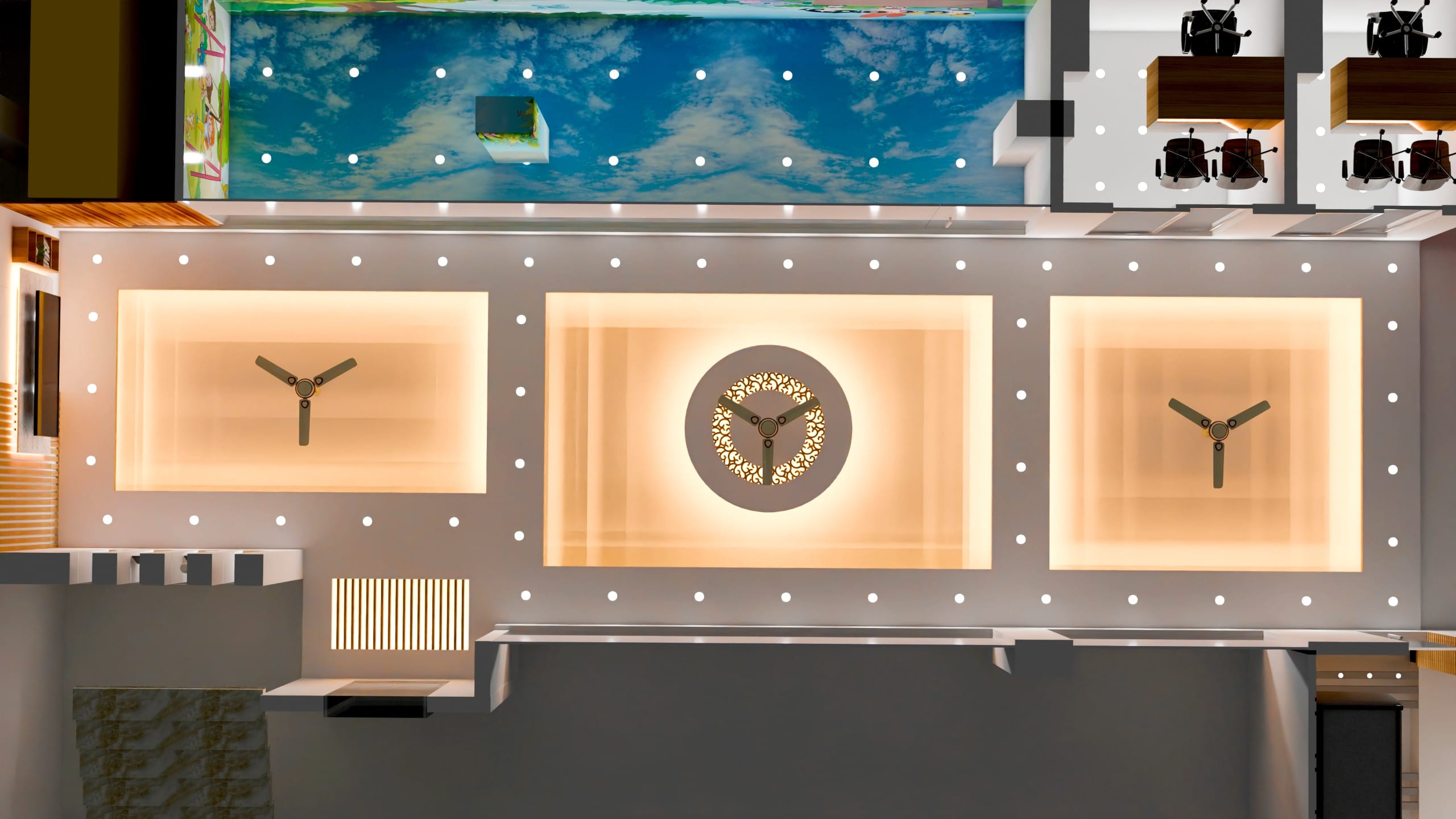
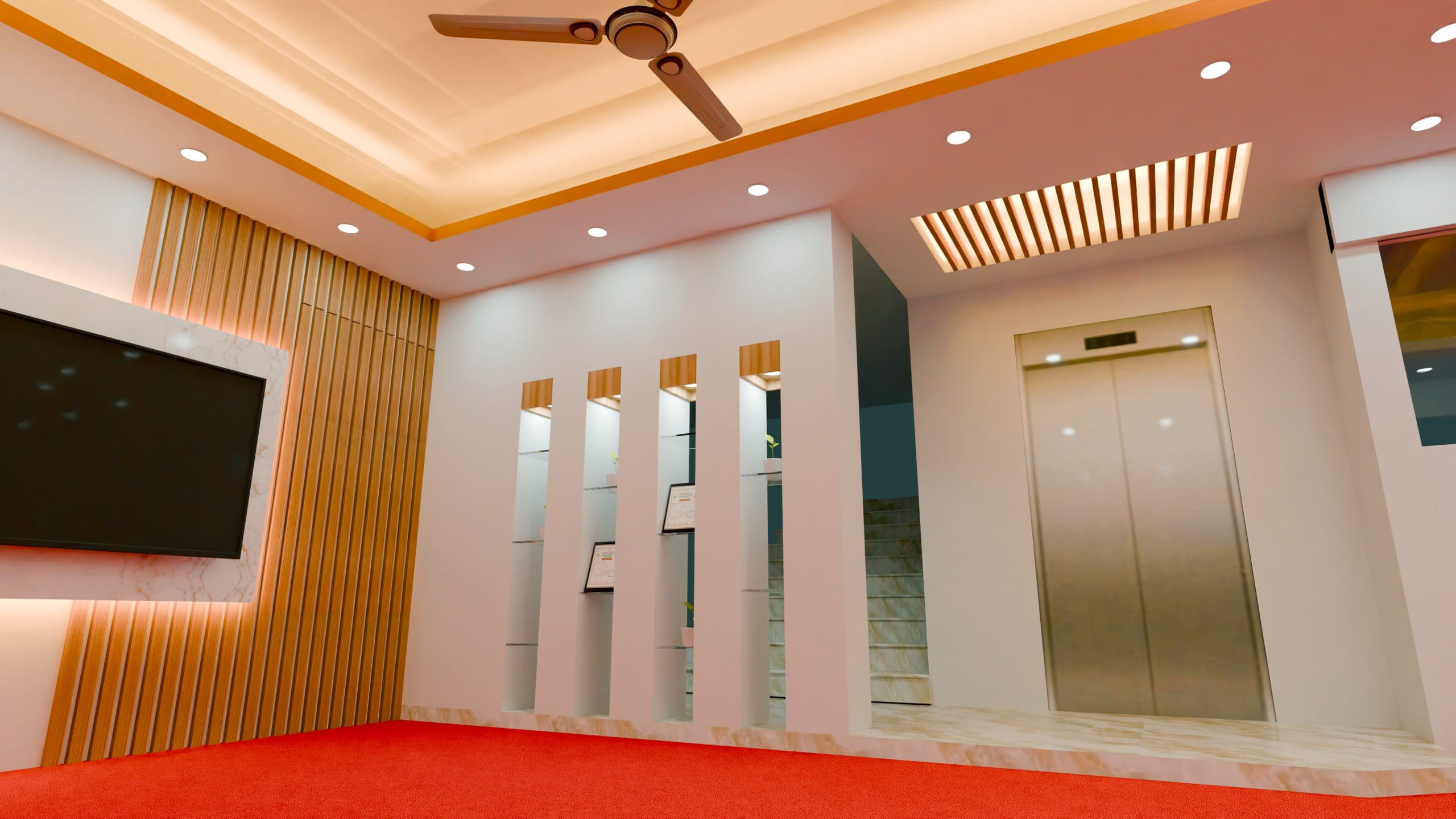
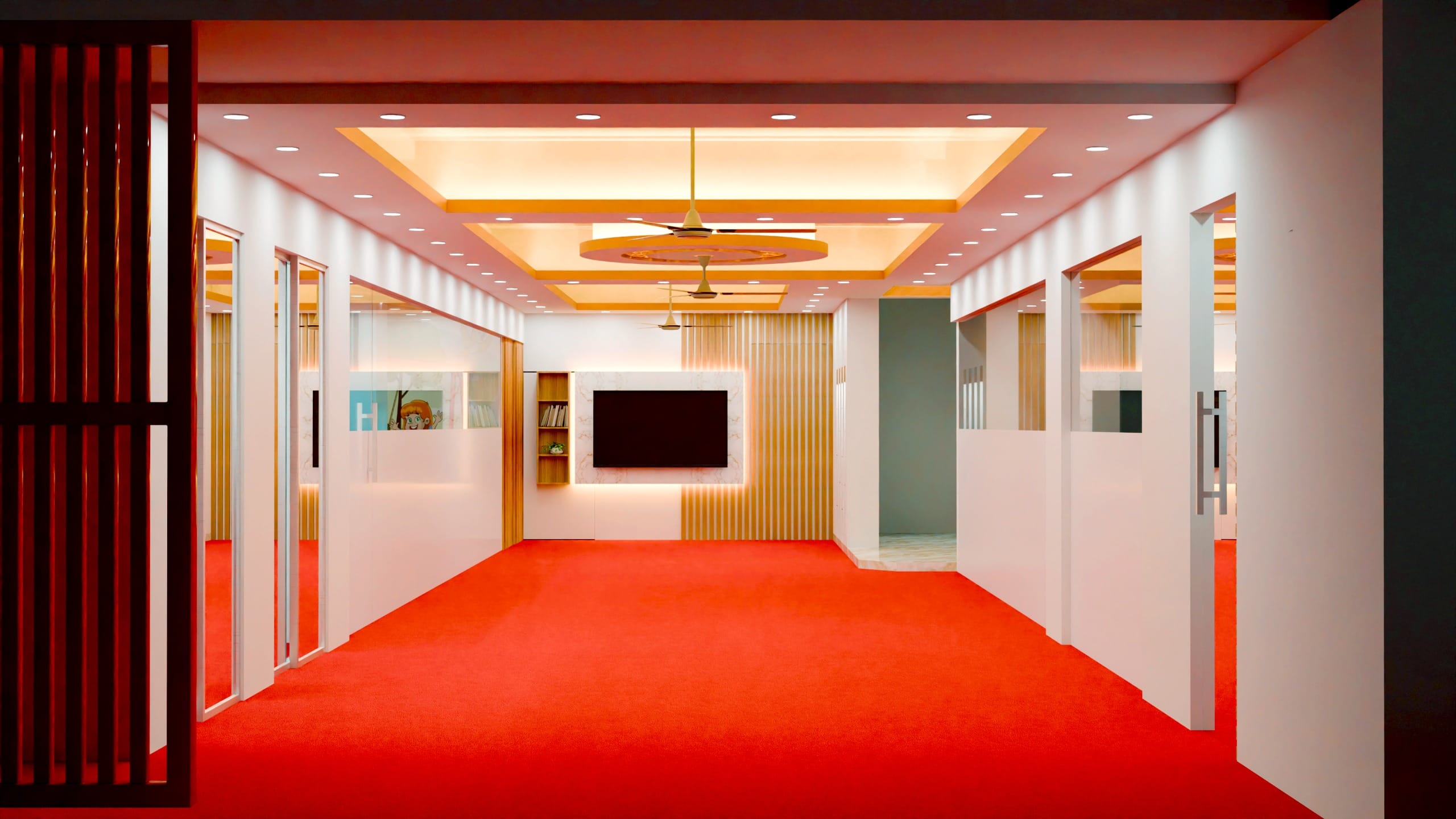
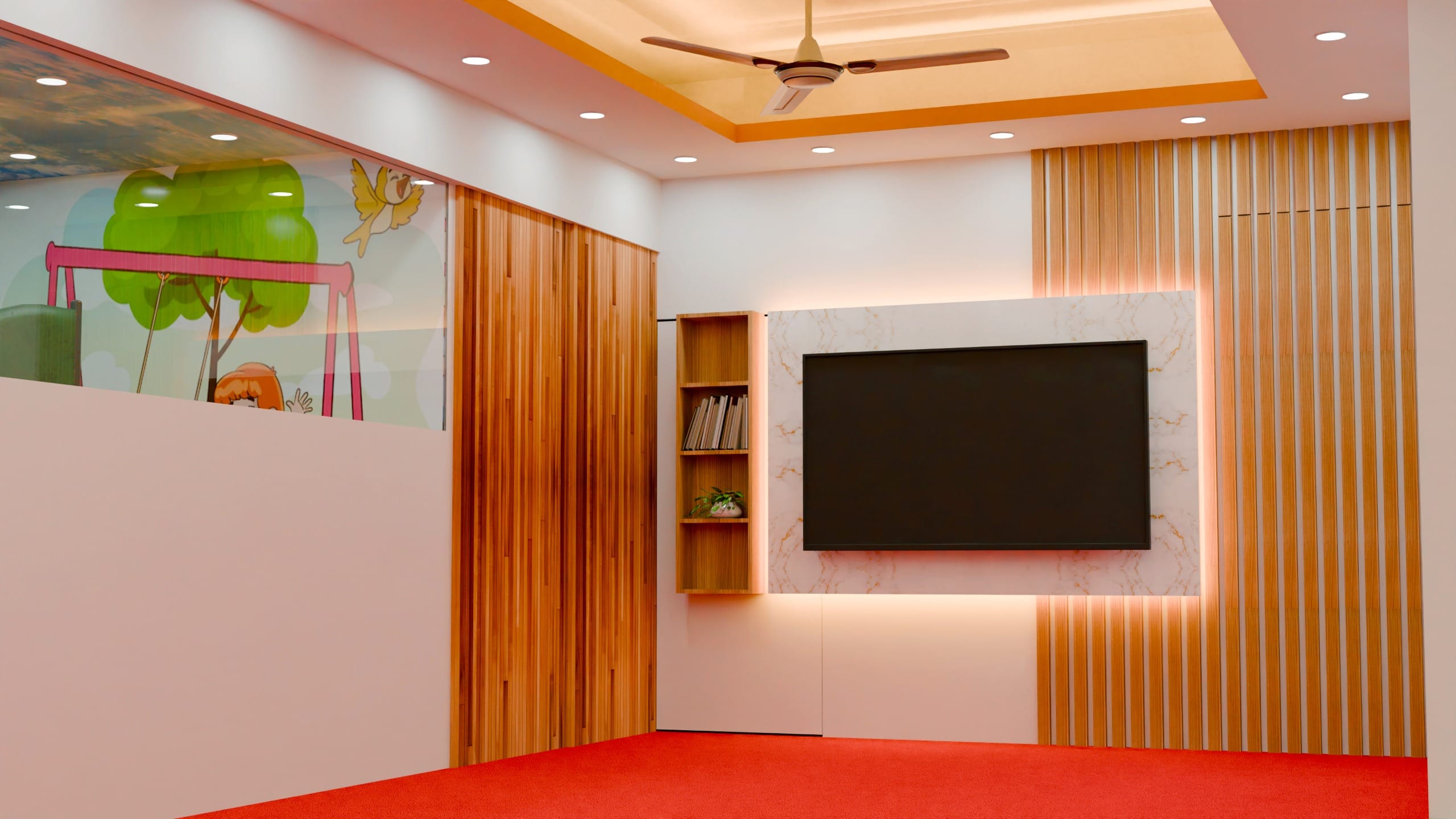
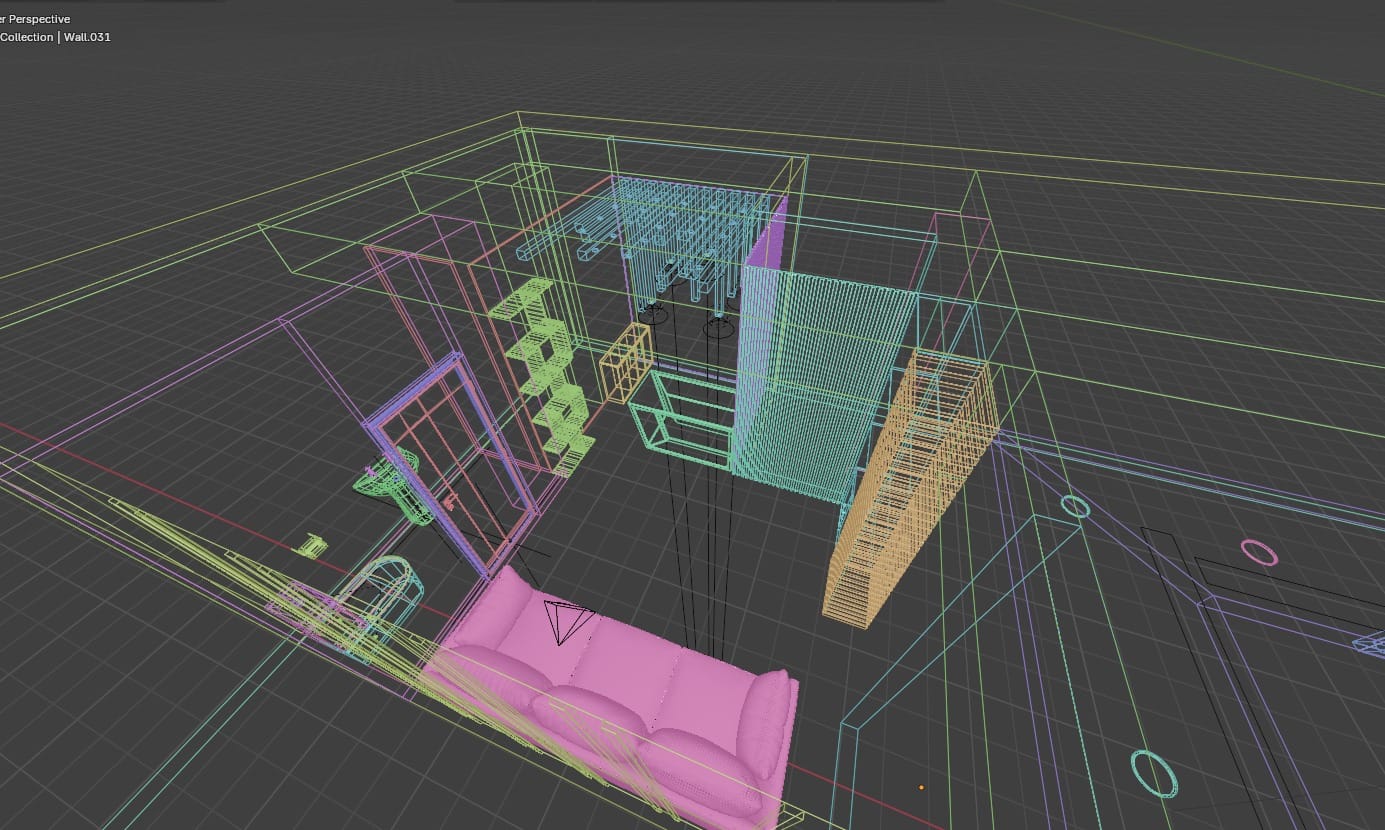
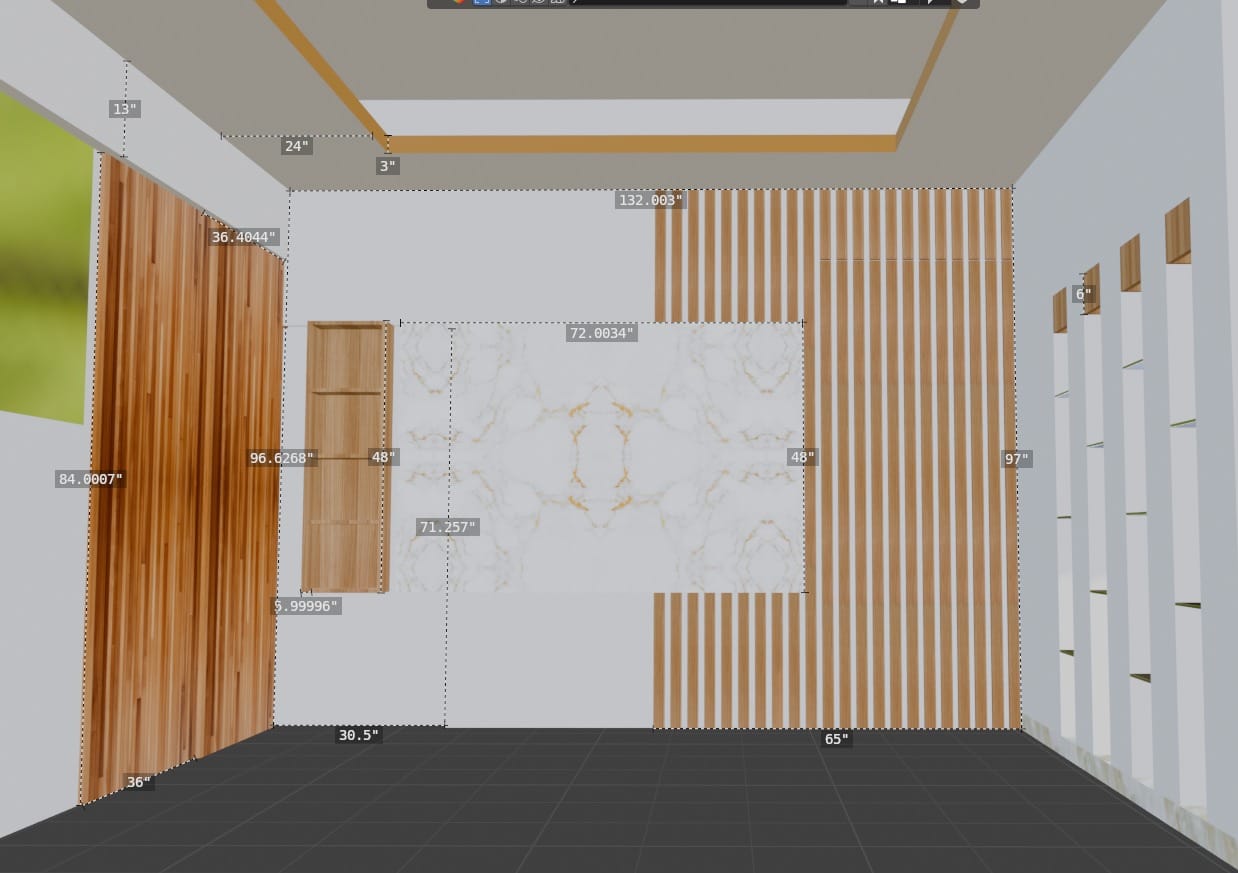
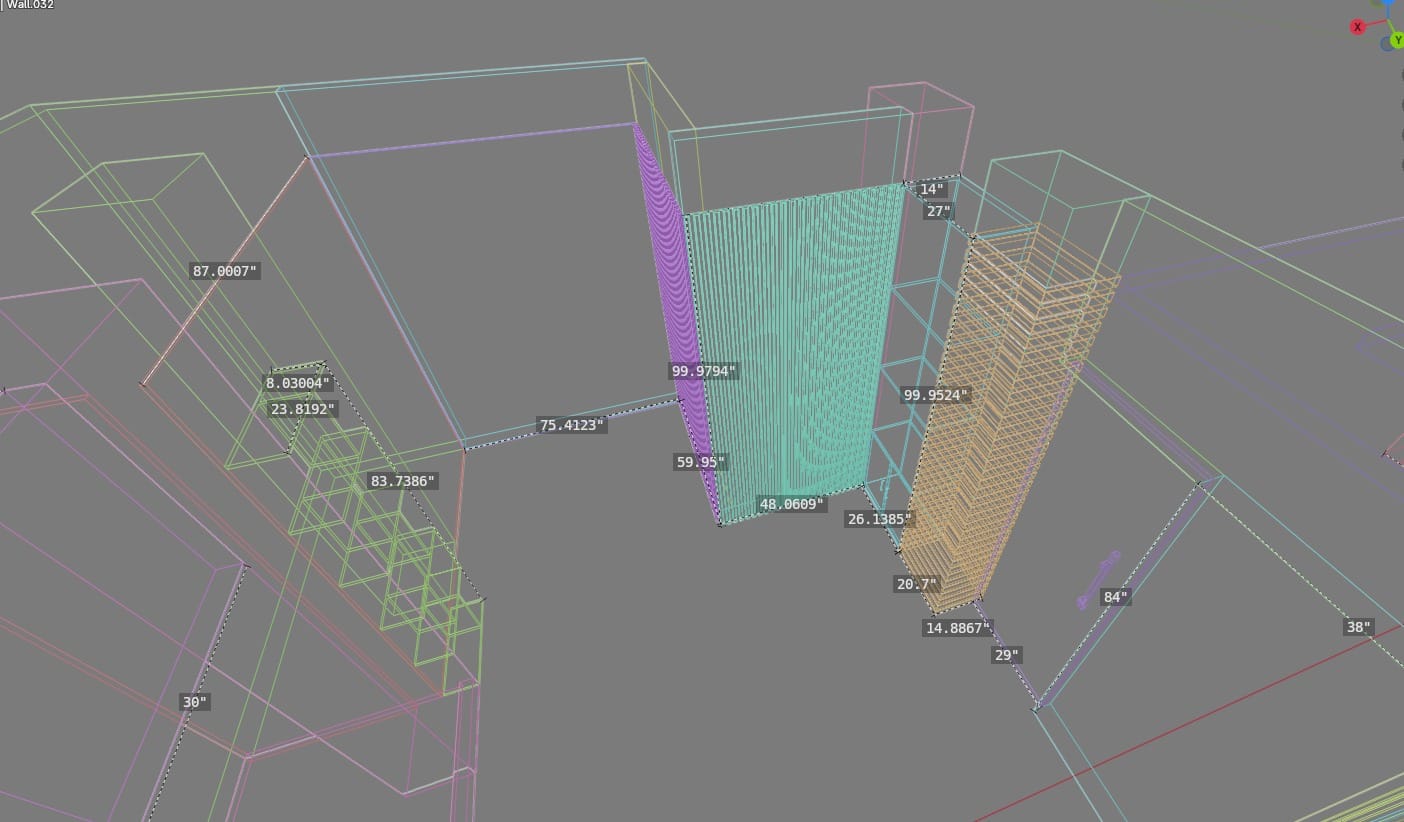
Interior decoration is far more than just “making a space look pretty.” It is a strategic tool used to influence behavior, productivity, and the overall atmosphere of a professional or social environment.
Here is why it is essential across different sectors:
1. Offices: Productivity & Branding
In a corporate setting, the environment directly impacts the bottom line.
-
Employee Performance: Ergonomic furniture and proper lighting reduce physical strain and mental fatigue, leading to higher efficiency.
-
Psychological Well-Being: Strategic use of color (like blue for focus or green for calm) and “biophilic design” (plants and natural light) can lower stress levels.
-
Brand Identity: A well-decorated office communicates the company’s values to clients and recruits. A tech startup might use an open, vibrant layout, while a law firm might opt for a more traditional, authoritative aesthetic.
2. Schools: Learning & Engagement
For educational institutions, the goal is to create an environment conducive to information retention.
-
Focus and Stimulation: Over-decorated walls can be distracting, while under-decorated ones can be sterile. A balanced design helps students stay engaged without feeling overwhelmed.
-
Flexibility: Modern classroom design uses modular furniture that can be rearranged for group work or individual testing.
-
Safety and Inclusivity: Proper layouts ensure easy movement, accessibility for all students, and a sense of belonging through inclusive imagery and comfortable zones.
3. Clubs: Social Atmosphere & Exclusivity
Clubs (social, sports, or nightlife) rely heavily on “vibe” to attract and retain members.
-
Atmosphere: Lighting and acoustics are used to create specific moods—whether it’s a high-energy dance floor or a quiet, sophisticated lounge for networking.
-
Flow of Movement: Professional decoration ensures that high-traffic areas (like bars or entrances) don’t become congested.
-
Zoning: Effective design creates different “micro-environments” within one building, allowing for both private conversations and large social gatherings.
4. Resorts: Experience & Emotional Escape
In the hospitality industry, decoration is part of the product being sold.
-
The “Escapism” Factor: A resort’s interior should transport guests away from their daily lives. This is achieved through sensory details like textures, local art, and scent.
-
Rest and Recovery: Guest rooms are designed specifically to promote sleep and relaxation, utilizing soft lighting and muted color palettes.
-
Photography/Social Media: In the modern era, “Instagrammable” interiors act as free marketing, as guests are more likely to share photos of beautifully designed spaces.
5. Organizations (Non-profits/Government): Trust & Function
For general organizations, the focus is often on accessibility and community.
-
Public Trust: A clean, organized, and professional interior builds confidence in the organization’s ability to serve the public.
-
Functionality: Good design optimizes the “user journey”—ensuring that visitors can easily find the information or services they need through clear signage and logical layouts.
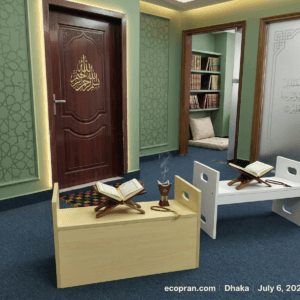
![Rehal for Quran Table [Madrasa]](https://ecopranshop.com/wp-content/uploads/2026/04/WhatsApp-Image-2025-07-06-at-15.31.09_80cdf87b.jpg)
![interior decoraton [ madrasa ]](https://ecopranshop.com/wp-content/uploads/2026/04/WhatsApp-Image-2026-04-11-at-19.12.56-300x300.jpeg)
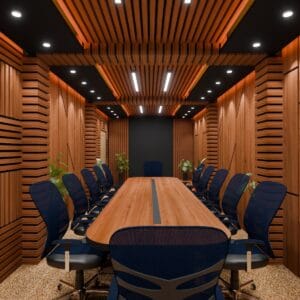
![Interior Decoration [ Conference Room ]](https://ecopranshop.com/wp-content/uploads/2026/04/WhatsApp-Image-2026-04-11-at-19.13.30ggh.jpeg)
Reviews
There are no reviews yet.